

At UNGA, PM Shehbaz Urges ‘Proactive Leadership’ for South Asia Amid Regional Tensions
By NewzNews International Desk | Published September 26, 2025
UNITED NATIONS (New York):
Addressing the 80th session of the United Nations General Assembly (UNGA), Prime Minister Shehbaz Sharif called for “proactive, not provocative” leadership to ensure lasting peace and stability in South Asia. His remarks came during a powerful speech that touched on regional conflicts, the humanitarian crisis in Gaza, the dangers of Islamophobia, and climate justice.
The Pakistani leader reflected on the four-day military confrontation with India in May this year, which followed Indian accusations against Pakistan over the April 22 Pahalgam incident. Without providing evidence, New Delhi launched air strikes on Pakistani territory, resulting in civilian casualties and a dangerous escalation that nearly spiraled into full-scale war. The situation was defused only after U.S. intervention led to a ceasefire.
PM Shehbaz said the events were a stark reminder of the region’s volatility and the urgent need for level-headed leadership. “This region doesn’t need fiery rhetoric or chest-thumping. It needs wise, forward-thinking leaders willing to put peace above politics,” he told world leaders at the UN podium.
A Cautionary Tale of Escalation
He described how Pakistan responded with “dignity and discipline” to India’s unprovoked aggression. “In May, arrogance came knocking at our borders. It returned with humiliation,” he declared. Citing Article 51 of the UN Charter, Shehbaz defended Pakistan’s response as legitimate self-defense.
He paid tribute to Pakistan’s armed forces, lauding the leadership of Field Marshal Asim Munir and Air Chief Marshal Zaheer Babar Sidhu for their swift and coordinated response. According to the prime minister, Pakistani air defenses successfully downed seven Indian jets.
Spontaneous chants of “Pakistan Zindabad” and “Shehbaz Sharif Zindabad” reportedly broke out from members of the Pakistani delegation during his address.
Gratitude for Global Support
PM Shehbaz expressed appreciation to U.S. President Donald Trump and his team for facilitating the ceasefire. “Had President Trump not acted swiftly, the outcome could have been catastrophic for the entire region,” he said. As a gesture of thanks, Pakistan has nominated Trump for the Nobel Peace Prize.
He also thanked international allies — including China, Saudi Arabia, Turkiye, Iran, Qatar, the UAE, Azerbaijan, and the UN Secretary-General — for their diplomatic support during the crisis.
An Open Hand for Peace
Offering a renewed call for dialogue, Shehbaz said: “Pakistan seeks peace — not just the end of war, but a sustainable, dignified peace. We are ready for a comprehensive dialogue with India on all unresolved matters.”
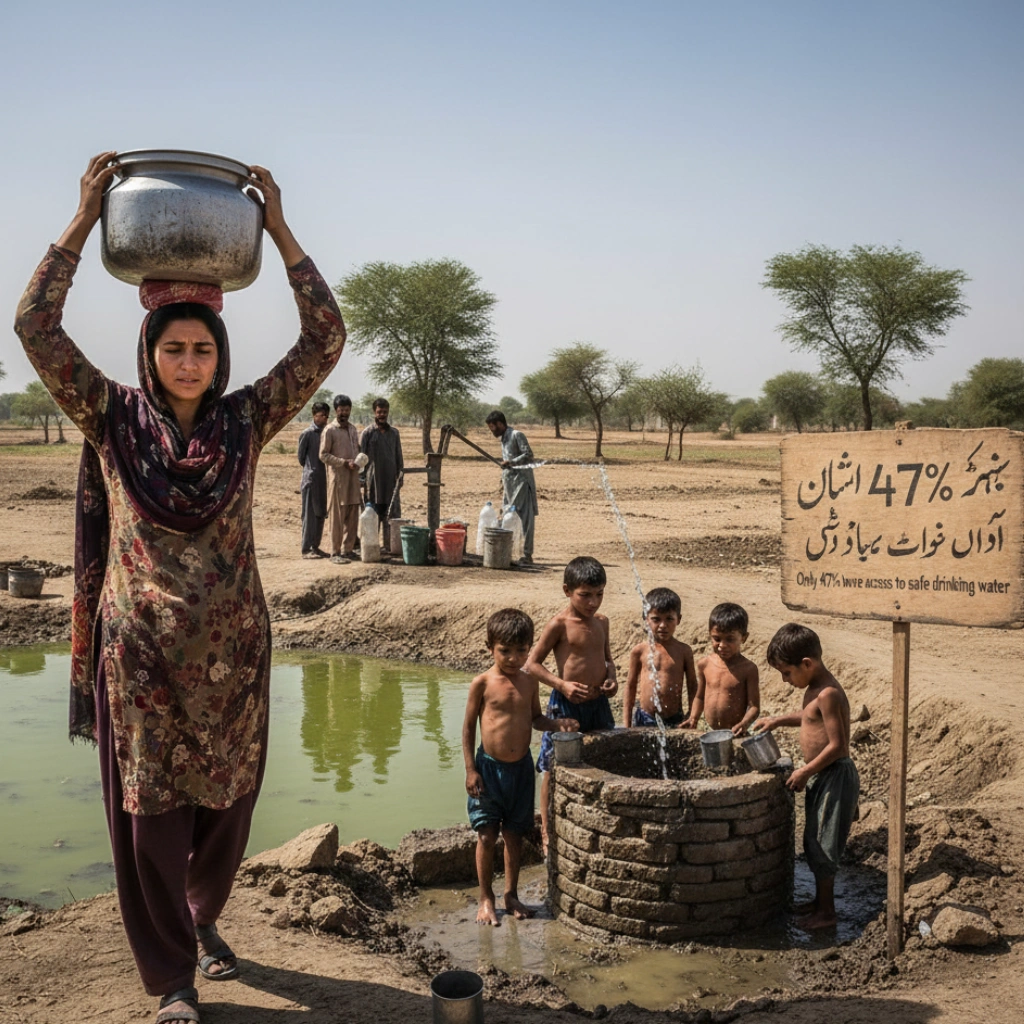
He criticized India’s alleged violation of the Indus Waters Treaty, calling it a clear breach of international law. “Pakistan will defend its rightful share of the Indus waters — for our 240 million citizens, this is non-negotiable,” he declared.
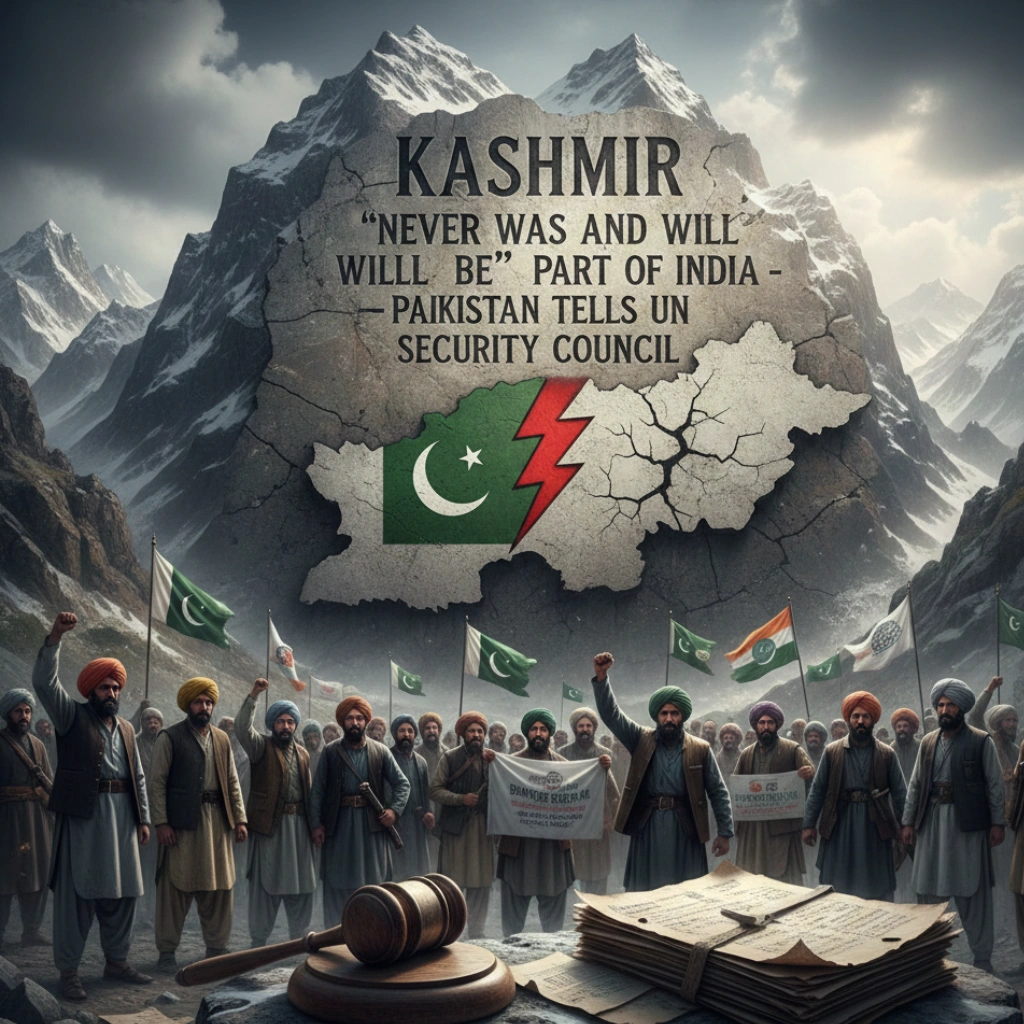
On Kashmir, the PM reaffirmed Pakistan’s solidarity with the people of the occupied valley. “No tyranny lasts forever. One day, the people of Kashmir will claim their right to self-determination under a UN-supervised plebiscite.”
Palestine: A Cry for Justice
Shifting focus to Gaza, Shehbaz described the situation there as “one of the most heartbreaking tragedies of our era.” Condemning Israeli airstrikes, including recent attacks on Hamas leadership in Doha, he expressed solidarity with the Palestinian people and with Qatar.
Quoting the case of Hind Rajab, a Palestinian child who died during the Israeli assault, he choked back emotion: “We failed her — and that failure haunts the global conscience.” He also recalled carrying the coffin of a six-year-old Pakistani boy, Irtaza Abbas, who died during the conflict with India, drawing a parallel between the suffering of children in war zones.
He reiterated Pakistan’s support for a two-state solution, with a fully sovereign Palestinian state based on 1967 borders and Jerusalem as its capital.
Terrorism and Regional Stability
Reasserting Pakistan’s commitment to fighting terrorism, PM Shehbaz said the country had paid a heavy price as a frontline state in the global war on terror. “Had our forces not neutralized these extremists, they might have walked the streets of London, New York, or Tokyo,” he warned.
He raised serious concerns about foreign-backed terror groups allegedly operating from Afghan soil and urged the interim Afghan government to ensure that Afghan territory is not used to target neighboring states.
“We continue to support Afghanistan’s peace and recovery — but that partnership must be built on accountability and mutual respect,” he said.
Tackling Islamophobia and Extremism
Condemning rising hate speech and religious discrimination, the prime minister warned that “extremist ideologies, such as the Hindutva-driven nationalism in India, pose a grave threat not only to the region but to global harmony.”
He welcomed the appointment of a UN special envoy to combat Islamophobia and called on world leaders to take more concrete steps against hate-based violence.
Climate Change: A Global Emergency
On the climate front, Shehbaz Sharif reminded the assembly of the devastating floods Pakistan suffered in 2022 and again in 2025. “We contribute less than 1% to global emissions, yet we face the brunt of climate disasters,” he said.
He announced the declaration of a national climate emergency in Pakistan and demanded fairer global climate financing mechanisms. “We refuse to drown in debt just to survive the disasters caused by others,” he said firmly.
Conclusion: A Call for Collective Action
Concluding his address, PM Shehbaz said, “As the United Nations marks its 80th anniversary, let this not be a moment of reflection alone — let it be a moment of transformation.”
“Let’s choose multilateralism, justice, and peace. Let’s write the next 80 years of global cooperation with courage and compassion. Pakistan stands ready to play its part.”